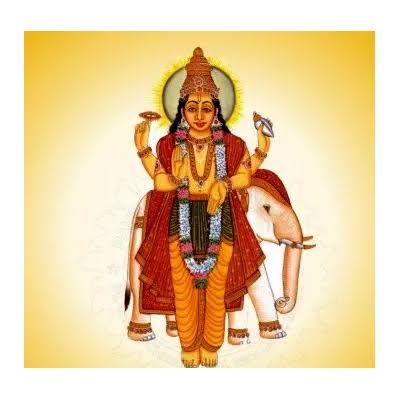
The Eight volume in the Predictive Astrology series explores an in-depth study of the characteristics, strengths, weaknesses, and other significations of the planet Jupiter.
Jupiter:
Jupiter is considered the Guru (Preceptor) and Minister among the Navagrahas. In Sanskrit, it is known by several names, including Brihaspati, Guru, and Devaguru. Jupiter represents wisdom, higher learning, spirituality, morality, fortune, wealth, and children (Putrakaraka). It governs philosophy, priesthood, law, judiciary, philanthropy, and those in advisory or teaching professions such as professors, judges, bankers, and spiritual leaders. Due to its expansive and benevolent nature, it is regarded as the greatest natural benefic among all the planets.
Characteristics of a strong Jupiter:
When Jupiter is well-placed such as in its own signs of Dhanu (Sagittarius) or Meena (Pisces), exalted in Karkataka (Cancer), or aspecting benefic houses, it bestows the following:
Wisdom and Prosperity- A profound intellect with deep moral integrity, righteous conduct, and a philosophical outlook on life. Exceptional luck, abundance, financial stability, and high social respect. Strong advisory capabilities, natural leadership, and high spiritual inclination. Generosity, kindness, optimism, and devotion to truth and duty (Dharma). Success in higher education, law, teaching, and administrative roles. Harmonious family life and blessings through children.
Characteristics of a weak Jupiter:
Jupiter is considered weak when placed in its debilitated sign, Makara (Capricorn), or when afflicted by malefic planets such as Rahu (forming Guru Chandal Yoga), Ketu, or Saturn. A poorly placed Jupiter may lead to:
Lack of wisdom, misguided optimism, and poor judgment, which can manifest as over-indulgence, greed, or false pride. Financial difficulties, excessive debts, and missed opportunities. Obstacles in higher education, delay or difficulties concerning children, and lack of support from elders or mentors. A tendency toward religious dogma, hypocrisy, self-righteousness, or cynicism toward spiritual values. Difficulty in finding the right guidance in life.
Physical features:
A strong Jupiter gives a tall, prominent build, broad chest, captivating and serene eyes, a commanding yet gentle demeanor, and a healthy golden or fair complexion.
Health:
Physically, Jupiter governs the liver, circulation, thighs, and metabolic processes. When afflicted, it is associated with the following diseases:
- Liver disorders and jaundice.
- Diabetes and metabolic imbalances.
- Obesity and excessive weight gain.
- Ear ailments and hearing issues.
- Arterial problems and lipid disorders (such as high cholesterol).
Facts about Planet Jupiter:
Deity: Lord Dakshinamurthy / Lord Brahma / Lord Shiva
Element: Ether (Akasha)
Rasi: Dhanu (Sagittarius) & Meena (Pisces)
Caste: Brahmin (Priest/Teacher)
Color: Yellow / Golden
Day: Thursday
Body part: Liver, Fat tissues, Thighs, Ears, Brain circulation
Gem: Yellow Sapphire (Pushparagam), Topaz
Metal: Gold
Family: Children, Grandfather, Mentors, Gurus
Season: Hemanta rutu (Pre-winter) – December to January
Plants: Peepal tree, banana tree, turmeric, and plants that bear sweet fruit
Places: Temples, monasteries, universities, treasure houses, courts of law
Gender: Masculine
Direction: North-East (Ishanya)
Aspects: 5th, 7th, and 9th houses from its placement
Guna: Sattva
Exaltation: Karkataka (Cancer)
Debilitation: Makara (Capricorn)
Friendly planets: Sun, Moon, Mars
Neutral planet: Saturn, Rahu, Ketu
Enemy Planet: Mercury, Venus
Transit time: Approximately 12 to 13 months per zodiac sign
Lord of nakshatras: Punarvasu, Vishakha, and Purvabhadra
Remedies for Jupiter:
To balance or strengthen the energy of Jupiter in one's life, the following traditional remedies are recommended:
- Offer prayers to Lord Shiva, Lord Dakshinamurthy, or Lord Vishnu on Thursdays.
- Donate yellow items such as chana dal (split chickpeas), turmeric, yellow flowers, or yellow clothing to priests or the needy on Thursdays.
- Water and offer respect to the Peepal or Banana tree on Thursdays.
- Feed cows with soaked chana dal and jaggery.
- Show respect and seek the blessings of teachers, elders, and spiritual mentors.
Mythology of Jupiter:
Brihaspati is the son of the revered Sage Angiras and Surupa. From an early age, he was an ardent devotee of Lord Shiva. To attain divine knowledge, he performed intense penance for thousands of years on the banks of the sacred river Prabhasa.
Pleased by his unwavering devotion and asceticism, Lord Shiva appeared before him. Impressed by Brihaspati's vast wisdom, moral purity, and deep understanding of the Vedas, Lord Shiva appointed him as the supreme preceptor (Guru) of the Devas and designated him as one of the Navagrahas (the planetary deities).
As the Devaguru, Brihaspati became the chief advisor to King Indra and the gods, guiding them through cosmic battles against the Asuras with his strategic foresight and profound knowledge of Dharma. He is recognized as the ultimate master of sacred scriptures, rituals, statesmanship, and philosophy, representing the divine voice of wisdom and virtue in the cosmos.